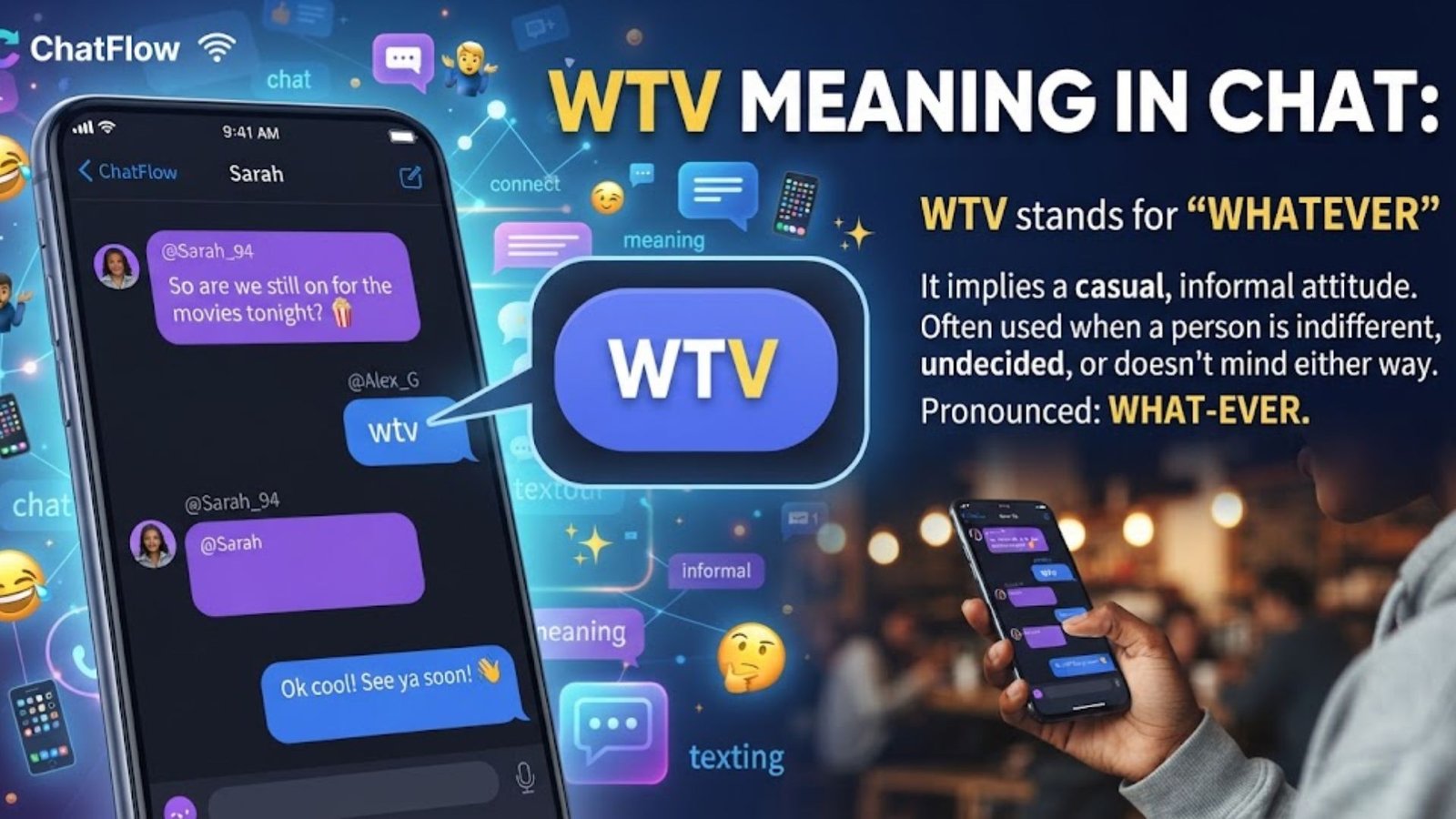

WTV simply means “whatever.” It’s a short way to show indifference, mild frustration, or a quick “sure, fine” without typing the whole word out. You’ll spot it everywhere, from group chats to Instagram comments to a text from someone who just doesn’t feel like arguing anymore.
That’s the short answer. Now let’s get into the full picture, because context changes everything here.
What Does “wtv” Mean in Text?
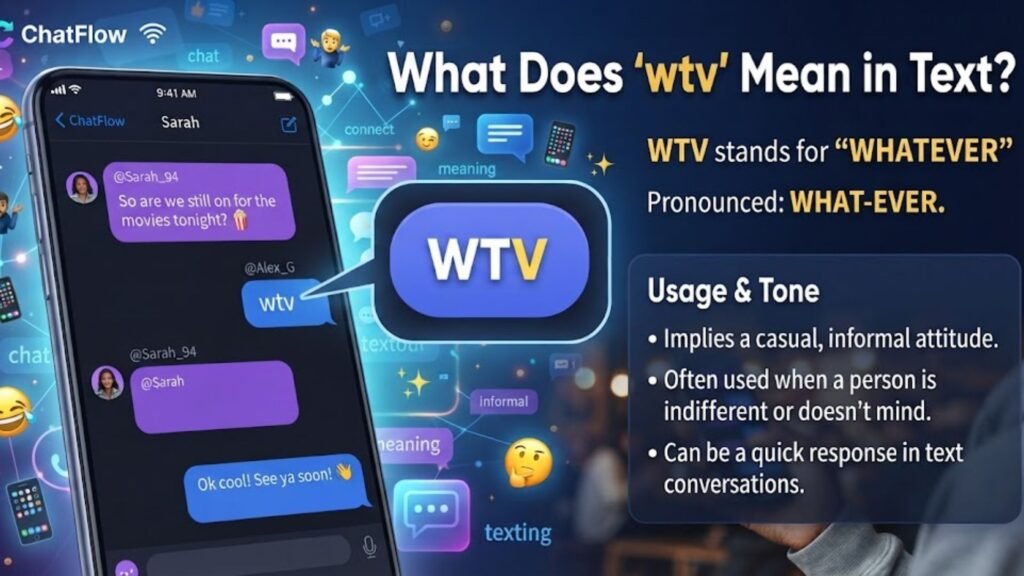
At its core, wtv is just texting slang for “whatever.” People use it when they don’t have strong feelings about something, or when they’d rather not spend extra keystrokes typing a full word.
It’s part of a bigger trend in internet slang where words get chopped down for speed. Think of BRB, TBH, or NGL. WTV fits right into that family of text abbreviations.
But here’s the thing. “Whatever” itself carries a dozen possible tones in English. So wtv meaning in text depends heavily on who sent it, when, and why.
The Most Common Meanings of “wtv” in Text
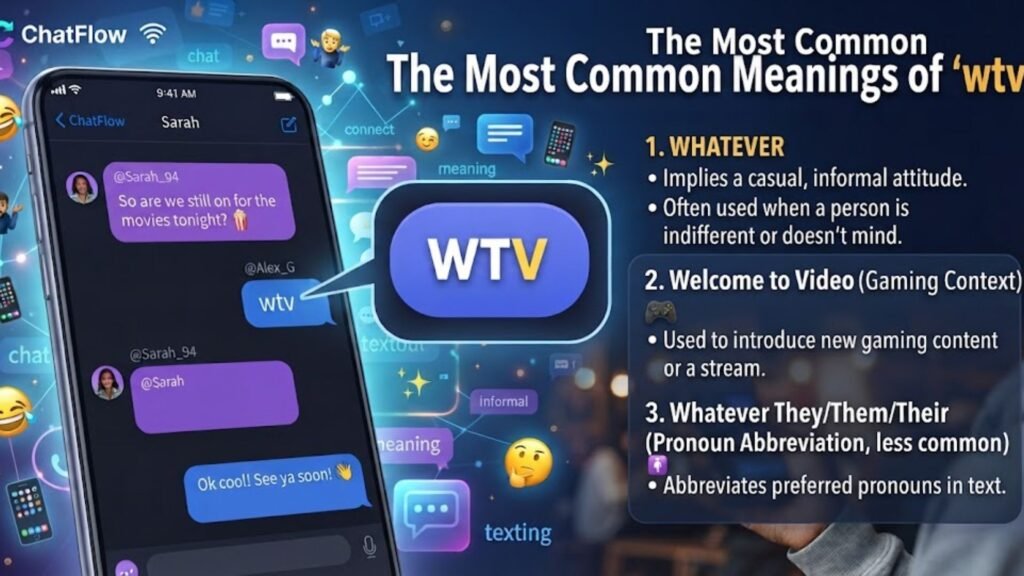
You can’t pin wtv down to one single feeling. It shifts based on the conversation tone and what came before it. Below are the four meanings you’ll run into most often.
1. Lack of interest or care
This is the most common one. Someone types wtv because they genuinely don’t care which option gets picked, or they’ve stopped paying close attention to the topic.
It’s not always a bad thing either. Sometimes it just means “I trust your judgment, pick anything.”
2. Mild frustration or irritation
Here, wtv carries a bit of an edge. It shows up after an argument, or when someone feels unheard and wants to shut the topic down without escalating.
You’ll usually catch this through the messages around it, short replies, no emojis, maybe a longer gap before they respond.
3. Agreement without excitement
Sometimes wtv just means “sure, that works.” It’s a passive agreement, not a rejection. The person is fine with the plan but isn’t thrilled about it either.
Picture someone asking “pizza or burgers tonight?” and getting a plain wtv back. That’s calm acceptance, not attitude.
4. Ending a conversation
WTV can also act as a soft closer. It tells the other person “let’s move on” without being harsh about it.
This use pops up a lot when a topic has run its course and nobody wants to keep going back and forth.
How “wtv” Is Used in Real Conversations
Context is everything with this word. The same three letters read completely differently depending on where the text conversation is happening.
Friends & Casual Texting
Among friends, wtv is mostly harmless. It’s part of normal casual texting, tossed around when deciding on plans or just keeping the chat moving.
A friend texting “wtv, your call” usually just means they’re easygoing about it. No drama needed.
Instagram & Snapchat
On Instagram and Snapchat, wtv often shows up in comments, story replies, or quick captions. It fits the fast, low effort style these apps are built for.
You’ll see it used almost like a shrug emoji in word form, especially in Snapchat messages where speed matters more than grammar.
Dating Apps
In dating chats, wtv gets tricky. It can mean genuine flexibility, or it can be a red flag signaling low interest.
If someone on a dating app keeps replying with wtv to date ideas, that’s worth noticing. It might mean they’re not that invested yet.
Gaming & Online Communities
Gamers use wtv constantly during fast paced matches. Think team selection, quick strategy calls, or reacting to a bad play without breaking focus.
Speed matters more than politeness in gaming chat, so short slang like this keeps the flow going.
Work or Professional Chat
This is where wtv should generally stay out. Professional communication calls for clearer, more respectful phrasing.
Using it in a work chat can come across as careless, even if that’s not the intention behind it.
Is “wtv” Rude, Flirty, or Offensive?
There’s no single answer here. WTV can land anywhere from perfectly neutral to genuinely hurtful, depending on the situation.
When it feels neutral
Most of the time, it’s just neutral. Someone doesn’t have a preference, so they type the fastest word available.
No hidden meaning, no drama, just a quick and honest “I don’t mind either way.”
When it feels rude
If wtv comes right after someone shares something they care about, it can feel dismissive. Timing changes the whole meaning.
Replying wtv to “I got the job!” reads very differently than replying it to “pizza or tacos?”
When it feels dismissive
Sometimes it’s used to end a topic someone doesn’t want to deal with. That’s a dismissive response, and it usually stings a little.
It shuts the door on further conversation, which can feel cold if the other person wanted to keep talking.
Flirty use?
Yes, it can even be flirty. A playful wtv paired with a laughing emoji often means “I’m teasing you, not actually annoyed.”
Flirty texting relies a lot on tone cues like emojis or punctuation, and wtv is no exception.
How to Respond When Someone Says “wtv”
Not sure how to reply to wtv? Your response should match the energy you’re picking up from the rest of the chat.
Casual replies
- “Okay, sounds good”
- “Alright cool”
- “Got it”
These work fine when the wtv feels relaxed and low stakes.
Funny replies
- “Wow, tell me how you really feel”
- “That’s the enthusiasm I love”
- A crying emoji works wonders too
Funny replies lighten the mood if you sense mild annoyance and want to defuse it.
Neutral replies
- “No problem, I’ll decide then”
- “You sure? I don’t mind either”
- “Noted”
These keep things moving without pushing for more emotion than the other person is offering.
Professional replies
- “Understood, I’ll proceed with option A”
- “Thanks for confirming”
- “I’ll finalize this by end of day”
Skip the slang entirely in professional chat and just restate the decision clearly.
Common Misunderstandings About “wtv”
A lot of arguments start because someone reads too much, or too little, into a simple wtv. Here’s where people usually get it wrong.
1. Thinking it always means anger
Not true. Plenty of wtv texts are completely calm and come from genuine indifference, not frustration.
2. Confusing it with “whatever you want”
These aren’t the same. “Whatever you want” hands over the decision entirely, while wtv can also mean simple disinterest in the topic itself.
3. Assuming it ends friendship
One short reply rarely says anything about the whole relationship. Friendship survives a lot more than a lazy text abbreviation.
4. Thinking it is always disrespectful
Context and history between two people matter more than the word itself. Some friend groups toss wtv around constantly with zero bad intent.
Similar Slang Terms You Should Know
WTV doesn’t exist alone. It sits alongside a whole set of related slang that Gen Z and casual texters use daily.
- IDC – I don’t care
- TBH – to be honest
- NGL – not gonna lie
- BRB – be right back
- FR – for real
- IKR – I know right
- SMH – shaking my head
- ION – I don’t (usually followed by a verb)
Learning these together helps you read Gen Z texting faster and with fewer mixups.
When You Should Avoid Using “wtv”
Some settings just don’t suit this word, no matter how casual your usual style is.
Professional chats
Workplace communication needs clarity. WTV can look lazy or careless to a manager or client reading it.
Serious conversations
If someone is opening up about something real, dropping wtv can feel like you’re brushing them off entirely.
Cross-cultural communication
Cross-cultural communication often loses slang in translation. Someone unfamiliar with internet slang might misread it as rude when it wasn’t meant that way.
Formal writing
Emails, reports, and official messages should always avoid it. Formal writing has zero room for shortcuts like this one.
What “wtv” Says About Modern Texting Culture
Texting culture keeps evolving toward speed and minimal effort, and wtv is a perfect example of that shift. People want to communicate fast without losing the core message.
This is also why tone interpretation has become such a skill on its own. Reading between the lines of short texts is basically a modern communication requirement now.
Digital communication rewards brevity, but it also demands that both people understand the unwritten rules behind these shortcuts.
FAQs
What does wtv mean in texting? It means “whatever,” used to show indifference, mild annoyance, or casual agreement depending on context.
Is wtv rude in chat? It can be, especially if used right after someone shares exciting or important news.
Is wtv the same as whatever? Yes, it’s simply a shortened version of the full word “whatever.”
Why do people use wtv instead of whatever? Speed. Typing three letters is faster than typing eight, especially in fast paced chats.
Can wtv mean I don’t care? Often, yes. It’s one of the most common uses of the term.
Is wtv used in dating chats? Yes, though it can sometimes signal low interest if used repeatedly.
What should I reply to wtv? Match the tone. A casual “okay cool” works for relaxed situations, while a clearer response fits professional ones.
Final Thoughts
WTV is a small word carrying a big range of meaning. It can mean indifference, mild frustration, casual agreement, or a soft way to end a topic.The real skill isn’t memorizing the definition.
It’s reading the conversation context around it, because that’s what actually tells you what someone means.Next time you see wtv pop up on your screen, take a second look at the messages around it before deciding how to feel about it.