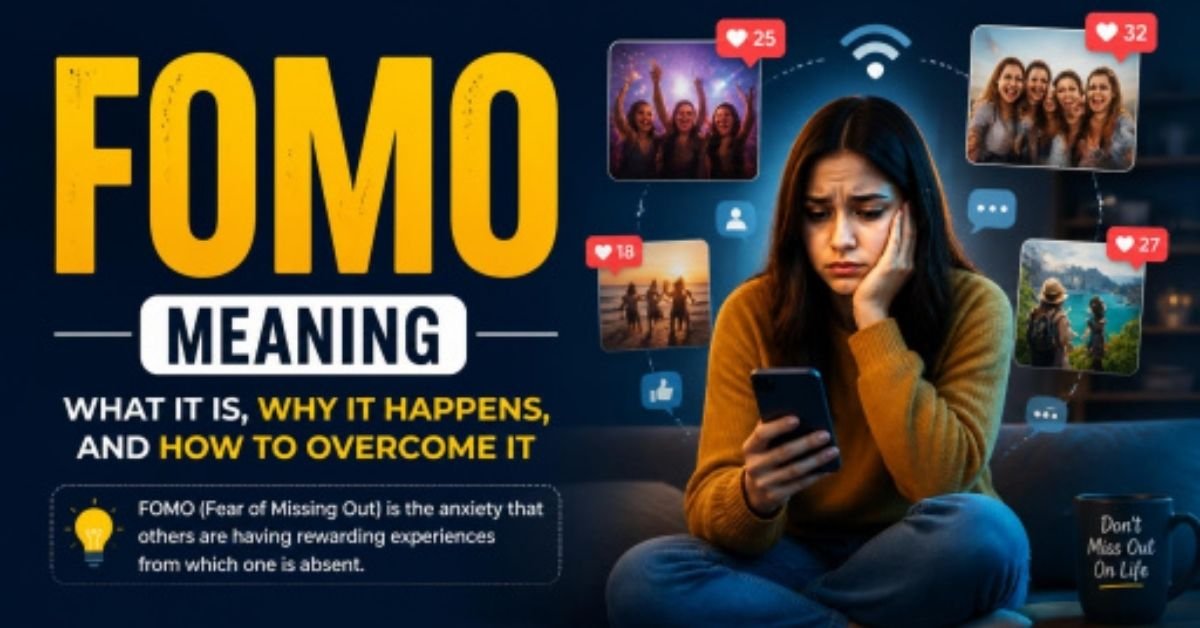

Someone texts “I have FOMO,” and suddenly you are left wondering what they mean. Is it a joke, a serious feeling, or just another internet slang term? With new words appearing every day online, keeping up with digital conversations can feel confusing. fomo meaning in text describes the feeling of worrying about missing something exciting, valuable, or memorable that others are experiencing.
From Instagram stories and Snapchat updates to gaming events and group chats, FOMO appears everywhere. It can show happiness, curiosity, excitement, or even regret. Maybe you missed a concert, saw friends having fun without you, or noticed a deal ending soon. This guide breaks down what FOMO means, how people use it in different situations, and the best ways to respond naturally.
What Does “FOMO Meaning in Text” Mean?
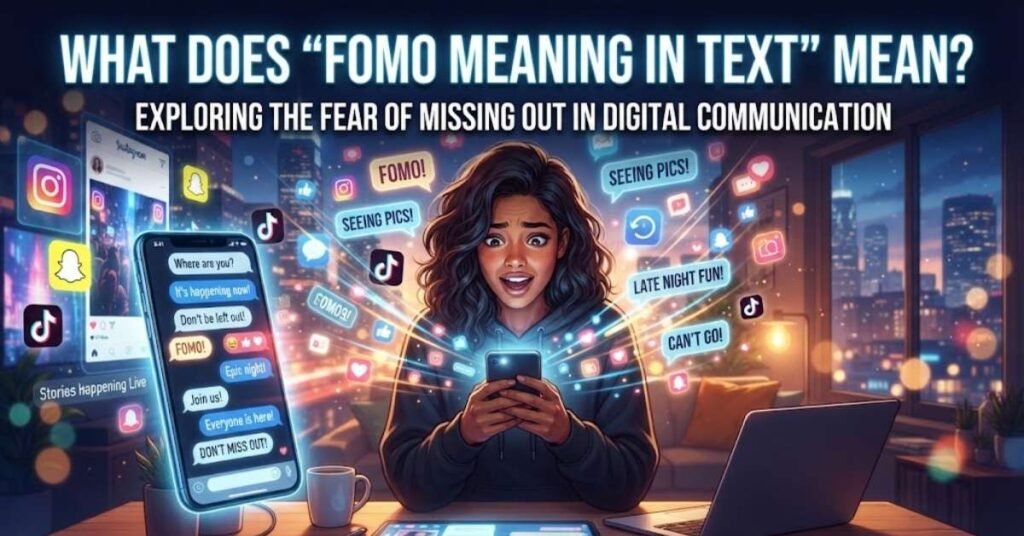
FOMO meaning in text stands for Fear of Missing Out. People use this slang when they feel worried about missing something exciting, important, or enjoyable that others are experiencing.
In texting, FOMO can describe many emotions. Someone might feel left out of plans, curious about an event, or nervous about missing a chance.
FOMO is common in:
- Group chats
- Instagram messages
- Snapchat conversations
- Online communities
- Casual texting
The feeling behind FOMO can be positive or negative. Sometimes it shows excitement because someone wants to join. Other times, it comes from social pressure, jealousy, or anxiety.
For example:
Friend: “We all went to that new restaurant last night.”
You: “No way! I have serious FOMO now.”
Here, FOMO means you wish you were part of that experience.
FOMO is a type of emotional slang that reflects modern online life. Social media, trends, and constant updates make people feel like they always need to stay involved.
The Most Common Meanings of “FOMO” in Text
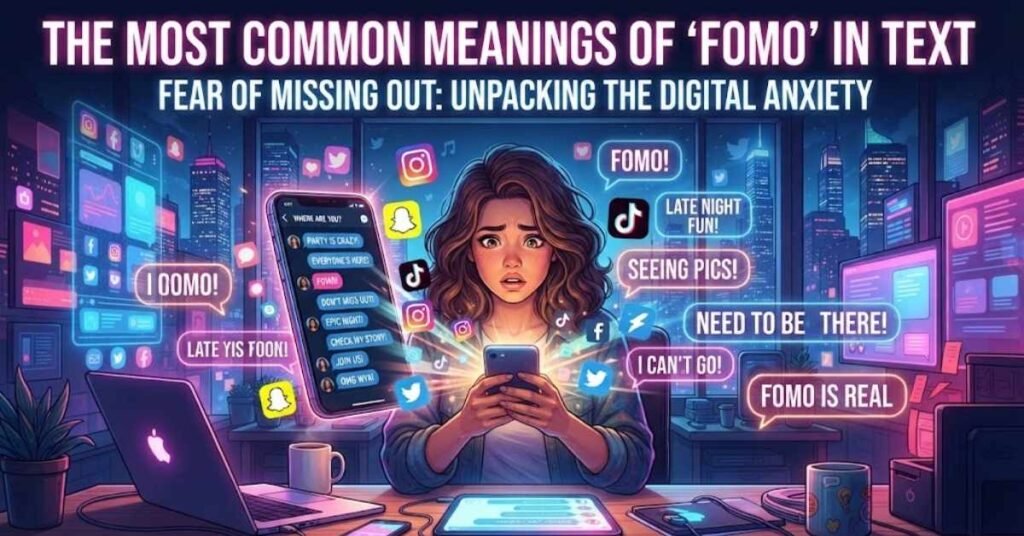
FOMO does not always carry the same meaning in every conversation. The situation and tone decide what someone really means.
In text messages, FOMO can express:
- Feeling excluded from social events
- Wanting to join exciting activities
- Feeling pressure from social media
- Worrying about missed opportunities
The phrase often appears in casual conversations, captions, and online chats.
Someone might use FOMO in a playful way, like joking about missing a party. Another person might use it seriously because they feel social anxiety or regret.
Common examples:
- “Everyone is there except me. Total FOMO.”
- “That concert looks amazing. I’m getting FOMO.”
- “I bought the ticket because I didn’t want FOMO.”
Unlike some slang terms, FOMO connects with real emotions. It can involve curiosity, excitement, jealousy, or the fear of being left behind.
1. Feeling Left Out of Fun Plans
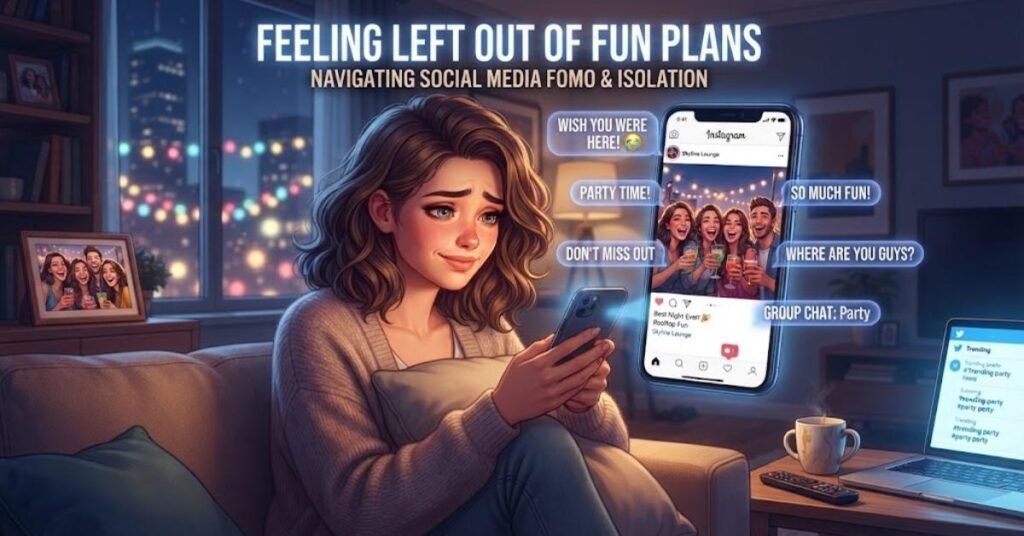
One of the most common uses of FOMO is feeling left out when friends make plans without you.
You might see pictures from a party, trip, or gathering and suddenly feel like you missed a special moment.
This type of FOMO often appears in:
- Group chats
- Instagram stories
- Snapchat updates
- Vacation posts
- Event photos
Example conversation:
Friend: “We went hiking yesterday. It was so much fun.”
You: “Wow, I should have come. I have major FOMO.”
Here, FOMO shows a feeling of social exclusion. It does not always mean someone is truly upset. Many people use it in a playful way.
However, repeated feelings of being left out can create social pressure and anxiety. That is why people often balance online life with real experiences.
2. Wanting to Join Something Exciting
FOMO can also mean you want to become part of something fun or interesting.
In this situation, the person is not necessarily sad. They simply feel excited and curious about an experience.
People often say they have FOMO when they see:
- A concert announcement
- A trending challenge
- A new restaurant
- A popular event
- A limited-time activity
Example conversation:
Friend: “We are going to the festival this weekend.”
You: “I wasn’t planning to go, but now I have FOMO.”
Here, FOMO pushes someone to participate.
Brands and businesses also use this feeling through limited-time offers and deals. They create urgency by making people worry they might miss a great opportunity.
This is why FOMO marketing appears everywhere, from shopping apps to online events.
3. Social Media Pressure
Social media plays a huge role in creating FOMO. Seeing other people’s best moments can make you feel like everyone is having more fun than you.
Platforms like:
- Snapchat
- TikTok
- Online communities
often show exciting experiences, achievements, and trends.
Example:
Someone posts: “Best vacation ever 🌴”
Reply: “This is giving me serious FOMO.”
Social media pressure happens because people usually share highlights, not everyday struggles. A simple post can trigger feelings of jealousy, curiosity, or anxiety.
However, not every FOMO feeling is negative. Sometimes it inspires people to try new things, meet friends, or explore opportunities.
FOMO has become a common part of online culture because people constantly see what others are doing.
4. Fear of Missing Opportunities
FOMO is not only about social events. It can also describe the fear of missing important opportunities.
People may feel FOMO about:
- Job opportunities
- Limited-time deals
- New trends
- Investments
- Learning opportunities
Example conversation:
Friend: “The discount ends tonight.”
You: “I’m buying it now. I don’t want FOMO tomorrow.”
In business and finance, FOMO often pushes people to act quickly. Companies use this feeling through countdowns, special offers, and exclusive launches.
However, making decisions only because of FOMO can sometimes lead to regret. It helps to think carefully before following trends or rushing into choices.
FOMO can motivate action, but balance matters.
How “FOMO” Is Used in Real Conversations
People use FOMO differently depending on the situation. The same word can sound funny, emotional, playful, or serious.
You may see FOMO in:
- Casual texting
- Dating app matches
- Gaming chats
- Social media captions
- Work/professional chat
The meaning depends on the relationship and tone.
For example, a friend saying “I have FOMO” usually sounds casual. A person discussing missed opportunities at work may use it more seriously.
FOMO can appear alongside other internet slang too, such as:
- YOLO (You Only Live Once)
- JOMO (Joy of Missing Out)
- No cap
- Bet
- Mood
- Hits different
These words help people quickly express feelings in online conversations.
Friends & Casual Texting
Among friends, FOMO usually has a playful and relaxed meaning. People often use it when they want to join plans or tease someone about having fun without them.
It commonly appears in:
- Group chats
- Private messages
- Weekend plans
- Party conversations
Example:
Friend: “We’re going bowling tonight.”
You: “Without me? Instant FOMO 😂”
Another example:
Friend: “Look at this food place we found.”
You: “That looks amazing. I’m getting FOMO.”
In casual texting, FOMO is rarely meant as a serious complaint. It is often a friendly way to show excitement or interest.
It can also mix with other slang:
- “That party was lit. Major FOMO.”
- “No cap, I wish I was there.”
- “That trip hits different. I missed out.”
FOMO keeps conversations emotional, relatable, and connected.
Instagram & Snapchat
Instagram and Snapchat are two places where fomo meaning in text appears often. People use FOMO when they see friends sharing exciting moments online.
A simple story or post can create feelings of curiosity, excitement, or even jealousy.
Common situations include:
- Seeing vacation posts
- Watching concert stories
- Viewing party pictures
- Missing trending events
Example conversation:
Friend: “Look at our beach trip photos 🌊”
You: “Wow, I have serious FOMO right now.”
On social media, FOMO does not always mean someone feels bad. Sometimes it is a playful reaction to a fun post.
People also use FOMO in captions:
- “Weekend plans giving everyone FOMO.”
- “This place is too good. Instant FOMO.”
Social media creates constant updates, which can increase social pressure. However, many people use FOMO casually to show they wish they were part of the moment.
Dating Apps
On dating apps, FOMO can have a slightly different meaning. It often connects with missed chances, matches, and conversations.
Someone may feel FOMO when they think they could lose a potential connection.
Common dating situations include:
- Missing a match
- Waiting too long to reply
- Seeing others find relationships
- Feeling pressure to stay active
Example conversation:
Person 1: “I almost deleted the app.”
Person 2: “Don’t! You might miss someone great. That’s FOMO.”
In dating chats, FOMO can sound playful or emotional. It may show curiosity about a person or fear of losing an opportunity.
Some people mix it with other slang:
- “No cap, that match looks amazing.”
- “Bet, I’ll reply before I get FOMO.”
However, FOMO should not control every decision. A genuine connection matters more than rushing because of social pressure.
Gaming & Online Communities
Gamers use FOMO frequently because many games include limited-time events, rewards, and special items.
Game developers often create FOMO mechanics to encourage players to return.
Common examples include:
- Limited-time skins
- Special characters
- Seasonal rewards
- Exclusive challenges
- Event missions
Example conversation:
Friend: “Did you get the new skin?”
You: “No, I missed the event. Huge FOMO.”
In gaming chats and online communities, FOMO usually feels casual. Players use it when they miss something rare or valuable.
Some examples:
- “That update looks lit. I’m getting FOMO.”
- “Everyone unlocked the reward except me.”
Gaming FOMO can create excitement because players want to participate. However, it can also create pressure when people feel forced to play constantly.
Work or Professional Chat
FOMO is less common in formal workplaces, but people sometimes use it in relaxed professional conversations.
In work chats, it usually refers to missing important information, meetings, or updates.
Common situations include:
- Team announcements
- New tools
- Business trends
- Important meetings
Example conversation:
Coworker: “Did you join the product meeting?”
You: “No, I missed it. I have FOMO about the updates.”
In professional settings, FOMO should stay casual. It may not fit in formal emails, reports, or serious discussions.
Better professional alternatives include:
- “I don’t want to miss important updates.”
- “Could you share the meeting notes?”
Understanding the audience matters. Slang works well in friendly team chats but may confuse people during cross-cultural communication.
Is “FOMO” Rude, Flirty, or Offensive?
The fomo meaning in text depends heavily on the situation and tone. Usually, FOMO is not rude or offensive.
It is a common emotional slang term that describes feelings like:
- Curiosity
- Excitement
- Regret
- Social anxiety
- Fear of missing out
Most people use FOMO in a light and friendly way.
However, the meaning can change depending on the conversation.
For example:
- A friend saying “I have FOMO” sounds playful.
- Someone feeling excluded may use it seriously.
- A romantic partner may use it in a flirty way.
The words around FOMO often reveal the real emotion behind it.
Positive Use
Positive FOMO happens when someone feels excited about joining an activity or experience.
It shows interest rather than sadness.
People may use it when they want to:
- Join friends
- Try something new
- Attend events
- Follow trends
Example conversation:
Friend: “We’re going to a new café tonight.”
You: “That sounds amazing. I’m getting FOMO.”
Here, FOMO creates motivation. It encourages people to participate and enjoy new experiences.
Positive FOMO often appears with fun slang:
- “That concert looks lit.”
- “This trend is giving me FOMO.”
- “No cap, I need to join.”
In this situation, FOMO feels friendly, energetic, and exciting.
Negative Use
Negative FOMO happens when someone feels left out, anxious, or pressured.
It may appear when people compare their lives with others.
Common triggers include:
- Seeing perfect social media posts
- Missing important plans
- Feeling excluded
- Watching others succeed
Example conversation:
Person: “Everyone went out without me.”
Friend: “I’m sorry. That sounds like real FOMO.”
This type of FOMO can connect with social anxiety and regret.
Constant comparison can make people feel like they are always behind. Taking breaks from online platforms can help reduce unnecessary social pressure.
Flirty Use
FOMO can also appear in romantic conversations. In this case, it often sounds playful or teasing.
Someone may use it to show interest or hint that they want to spend time together.
Example:
Person 1: “You went out without inviting me?”
Person 2: “Haha, now you have FOMO 😉”
Another example:
Person 1: “You should have come with us.”
Person 2: “I know. Major FOMO.”
Flirty FOMO usually feels lighthearted. It is less about anxiety and more about creating a fun connection.
The tone, emojis, and relationship between people decide whether it sounds romantic or simply friendly.
How to Respond When Someone Says “FOMO”
When someone says FOMO, the best reply depends on the situation.
A good response should match their mood.
You can reply with:
- Humor
- Encouragement
- Information
- An invitation
The right answer changes based on whether they are joking, feeling left out, or seriously missing an opportunity.
Examples:
Friend: “I have FOMO seeing your trip photos.”
Possible replies:
- “Next time you’re coming with us!”
- “We saved a spot for you.”
- “Don’t worry, more adventures are coming.”
Understanding the emotion behind FOMO helps you respond naturally.
Casual Replies
Casual replies work best with friends, family, and everyday texting.
These responses keep the conversation fun and friendly.
Examples:
- “Next time you’re definitely joining us.”
- “Haha, we missed having you there.”
- “Don’t worry, another plan is coming soon.”
- “You can’t miss the next one.”
- “FOMO accepted 😂”
Conversation example:
Friend: “Everyone went out except me. FOMO.”
You: “Next time, you’re coming with us for sure.”
Funny casual replies can also add personality:
- “FOMO level: maximum.”
- “You unlocked the missing-out achievement.”
- “We’ll send you a full report next time.”
These replies show care while keeping the conversation relaxed.
Funny Replies
When someone says FOMO meaning in text and they are joking around, a funny reply can keep the conversation entertaining.
Funny replies work best with close friends who understand your humor. They turn a simple message into a playful moment.
You can use replies like:
- “FOMO level: 100% unlocked.”
- “Congratulations, you missed the legendary event.”
- “We saved your seat in the imaginary VIP section.”
- “Your FOMO is louder than the music.”
- “Don’t worry, we will send you a documentary about it.”
Example conversation:
Friend: “Everyone went out without me. I have FOMO.”
You: “Too late, the fun membership expired 😂”
Funny replies usually do not solve the problem. They simply make the person laugh and feel included.
They work well in:
- Group chats
- Instagram messages
- Snapchat conversations
- Casual texting
A little humor can turn missing out into a shared joke.
Neutral Replies
Neutral replies are useful when you want to respond kindly without making the conversation too emotional.
They work well when you are unsure whether someone is joking or feeling genuinely left out.
Examples of neutral replies:
- “You can join us next time.”
- “It was a nice time. We should plan another one.”
- “Nothing too crazy happened.”
- “I’ll share the details with you.”
- “You’re welcome to come next time.”
Conversation example:
Person: “I missed the event. I have FOMO.”
Reply: “It was fun. Hopefully, you can join the next one.”
Neutral responses are helpful because they acknowledge the feeling without exaggerating it.
They fit many situations, including:
- Friends
- Online communities
- Social groups
- Everyday conversations
A simple and supportive reply often works best.
Professional Replies
In work conversations, FOMO should be handled carefully. Professional replies should sound clear and respectful.
The fomo meaning in text can appear in workplace chats when someone worries about missing meetings, updates, or important information.
Professional replies include:
- “We’ll share the meeting notes with you.”
- “You can review the latest updates here.”
- “Feel free to join the next discussion.”
- “We’ll keep you informed about future changes.”
Example conversation:
Coworker: “I missed the team meeting. I have FOMO about the updates.”
Reply: “No problem. I’ll send you the key points from the discussion.”
Professional replies avoid too much slang. They focus on helping the person catch up.
This style works best in:
- Work chats
- Team messages
- Business communities
- Professional settings
Common Misunderstandings About “FOMO”
Many people misunderstand fomo meaning in text because it looks like a random abbreviation.
However, FOMO is not a technical code or complicated internet term. It simply describes the feeling of worrying about missing something valuable.
Common misunderstandings include:
- Thinking it has a business meaning only
- Confusing it with other slang words
- Believing it always means anxiety
- Assuming it only exists online
The meaning changes depending on the situation.
Someone might use FOMO after missing a concert. Another person might use it when they skip a meeting or miss a limited-time deal.
Understanding the context helps you know the real meaning behind the word.
1. Thinking It Means Something Technical
One common mistake is thinking FOMO refers to a technical term.
Because many internet abbreviations look like professional shortcuts, people sometimes assume FOMO has a complex meaning.
Actually, FOMO means:
Fear of Missing Out
It describes an emotional reaction, not a technology term.
Examples:
- “Everyone bought the new phone. I have FOMO.”
- “My friends are traveling without me. FOMO is real.”
The feeling can involve:
- Curiosity
- Excitement
- Regret
- Social pressure
FOMO appears in everyday life, from social plans to online trends.
It has become popular because people constantly see updates from others through digital platforms.
2. Confusing It With “OMO” or Other Slang
People sometimes confuse FOMO with similar internet slang like OMO.
However, these terms do not mean the same thing.
FOMO:
- Fear of Missing Out
- Worry about missing experiences
OMO:
- Often used as a reaction phrase in some online communities
- Meaning depends on the platform and conversation
Other related slang includes:
- YOLO (You Only Live Once)
- JOMO (Joy of Missing Out)
- No cap
- Bet
- Mood
- Hits different
Example:
Person 1: “I skipped the party and enjoyed my quiet night.”
Person 2: “That’s more like JOMO than FOMO.”
Knowing the difference helps you understand online conversations more clearly.
3. Thinking It Always Means Serious Anxiety
Another misunderstanding is believing FOMO always represents serious anxiety.
That is not true.
Many people use FOMO casually as a fun reaction.
Examples:
- “That pizza looks amazing. FOMO!”
- “Everyone is watching that show. I need to catch up.”
In these cases, FOMO simply shows interest or excitement.
However, strong FOMO can sometimes connect with:
- Social anxiety
- Peer pressure
- Jealousy
- Constant comparison
The tone matters.
A laughing emoji can make FOMO playful. A serious conversation may show deeper emotions.
Understanding the situation helps you interpret the message correctly.
4. Believing It Only Applies to Social Media
Many people think FOMO only happens on Instagram or Snapchat.
Social media increases FOMO, but the feeling exists everywhere.
People experience FOMO with:
- Concerts
- Travel plans
- Work opportunities
- Gaming events
- Limited-time offers
- Personal experiences
Example:
Friend: “You missed the live event yesterday.”
You: “I know. I have FOMO now.”
Online platforms make FOMO easier to notice because people constantly share updates.
However, humans have always worried about missing important moments. The internet simply gave that feeling a popular name.
Similar Slang Terms You Should Know
FOMO connects with many other internet slang words. Learning these terms makes online conversations easier to understand.
Here are some related expressions:
| Slang | Meaning |
| JOMO | Joy of Missing Out |
| YOLO | You Only Live Once |
| FYE | Something exciting or impressive |
| Vibe | Feeling or atmosphere |
| Ghosted | Someone suddenly stops replying |
| Flex | Showing off something |
| Lit | Very exciting or fun |
| Bet | Agreement or confirmation |
| No cap | Honestly or seriously |
| Salty | Upset or annoyed |
| Mood | Something relatable |
| Hits different | Feels special or unique |
| OMO | Depends on context and platform |
Example conversation:
Friend: “That concert was lit. You missed out.”
Reply: “No cap, I’m getting FOMO.”
These terms often appear together in:
- Text messages
- Captions
- Gaming chats
- Online communities
- Social media posts
Understanding these slang words helps you follow modern digital conversations.
When You Should Avoid Using “FOMO”
Although FOMO is common online, it does not fit every situation.
The fomo meaning in text works best in casual conversations. In serious situations, another phrase may sound more appropriate.
Avoid using FOMO when:
- The audience may not understand slang
- The situation requires professionalism
- Someone feels genuinely hurt
The right wording depends on the people involved.
For example, saying “I have FOMO” with friends sounds natural. Saying it during a formal business meeting may feel out of place.
Professional Settings
In professional environments, FOMO can sometimes sound too casual.
Workplaces often require clear communication, especially during important discussions.
Instead of:
“I have FOMO about the meeting.”
You can say:
- “I don’t want to miss important updates.”
- “Could you share the meeting summary?”
- “Please keep me informed about future changes.”
Professional communication values clarity.
FOMO may work in relaxed team chats, especially among coworkers who use casual language.
However, it is better to avoid slang in:
- Job interviews
- Formal emails
- Client communication
- Business reports
Cross-Cultural Chats
Not everyone understands internet slang. FOMO may confuse people who are unfamiliar with English online expressions.
This matters in:
- International conversations
- Global workplaces
- Online communities with different languages
Example:
Person: “I have FOMO.”
Other person: “What does that mean?”
A clearer explanation would be:
“I mean I feel like I’m missing something exciting.”
Using simple words helps avoid confusion.
Cross-cultural communication works best when everyone understands the message clearly.
Sensitive Situations
FOMO can feel inappropriate when someone is already experiencing strong emotions.
If someone feels excluded or upset, joking about FOMO may make things worse.
Example:
Friend: “Everyone went without inviting me.”
Avoid:
“Wow, major FOMO 😂”
Better:
- “I’m sorry you missed it.”
- “We should plan something together.”
- “I understand why you feel that way.”
FOMO can be playful, but context matters.
Being thoughtful helps you choose the right words and avoid hurting someone’s feelings.
Final Thoughts
Someone texts “I have FOMO,” and suddenly you are left wondering what they mean. Is it a joke, a serious feeling, or just another internet slang term? With new words appearing every day online, keeping up with digital conversations can feel confusing. fomo meaning in text describes the feeling of worrying about missing something exciting, valuable, or memorable that others are experiencing.
From Instagram stories and Snapchat updates to gaming events and group chats, FOMO appears everywhere. It can show happiness, curiosity, excitement, or even regret. Maybe you missed a concert, saw friends having fun without you, or noticed a deal ending soon. This guide breaks down what FOMO means, how people use it in different situations, and the best ways to respond naturally.
FAQs
What does FOMO mean in simple words?
FOMO means fear of missing out on something exciting, fun, or important. The fomo meaning in text shows worry about missing experiences others enjoy.
Is FOMO a real emotion?
Yes, FOMO is a real feeling linked with curiosity, regret, and social pressure. The fomo meaning in text describes this emotional reaction clearly.
Is FOMO used only online?
No, people use FOMO online and in real-life conversations too. The fomo meaning in text applies to chats, speech, and social situations.
Can FOMO be positive?
Yes, FOMO can create excitement and motivate people to join activities. The fomo meaning in text can show positive interest.
What is the opposite of FOMO?
The opposite of FOMO is JOMO, meaning joy of missing out. The fomo meaning in text differs because JOMO celebrates staying away.
Why do people get FOMO?
People get FOMO from social media, trends, events, and peer pressure. The fomo meaning in text connects with these feelings of missing out.
Is FOMO used in texting only?
No, FOMO appears in captions, gaming chats, workplaces, and conversations. The fomo meaning in text applies across many communication styles.