
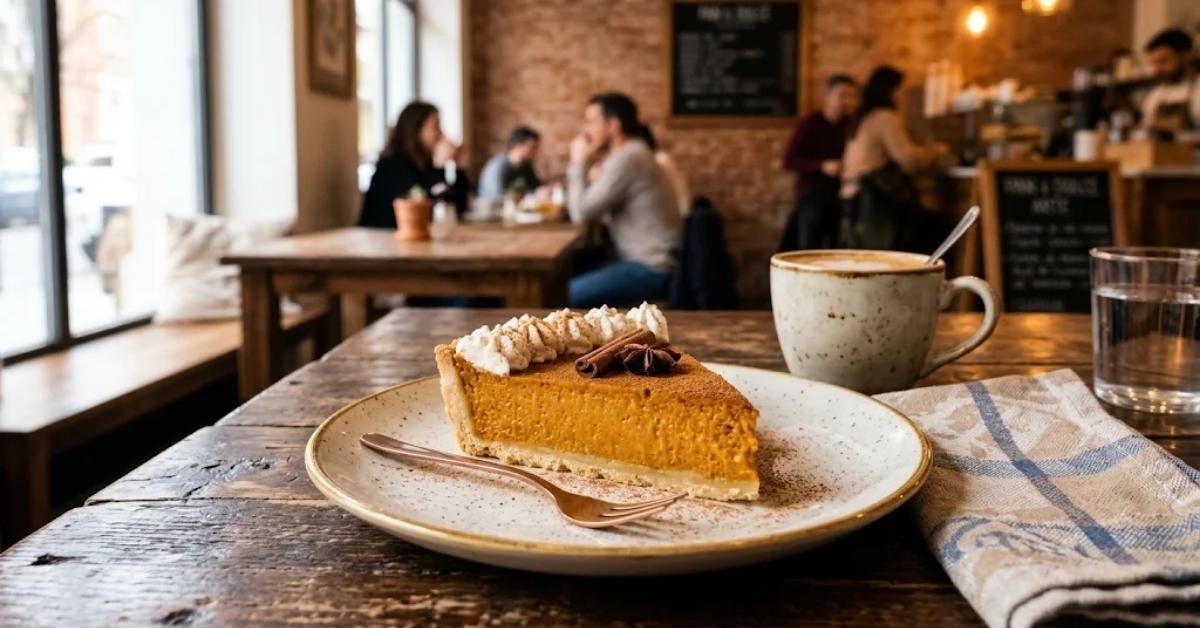

You type “tarta de calabaza near me” into your phone and a long list of bakeries, cafes and recipe blogs appears. Some of those results are real pumpkin tarts. Others are plain pumpkin pie with a Spanish name. A few are savory tarts that taste nothing like dessert.
This guide helps you sort it out fast. You will learn what tarta de calabaza actually is, how to spot a quality slice, which flavors to try, and how to serve it well.
The Rise of Tarta de Calabaza: A Delicious Treat from Latin America
Pumpkins and squashes are native to the Americas. People in Mesoamerica grew them for thousands of years, long before they reached European kitchens. That history explains why calabaza shows up in so many Latin American dishes, from soups to candied sweets.
The word tarta simply means tart or cake in Spanish. So tarta de calabaza describes a family of recipes, not one fixed dish. That is the first thing to know when you search for it.
What Does Tarta de Calabaza Mean?
Here is how the main styles differ:
- Sweet custard tart: Pumpkin puree, eggs and cream baked in a shortcrust shell. Cinnamon and citrus zest are common.
- Savory tart: Popular in Argentina, where pumpkin is often paired with cheese, onion or smoked meats.
- Candied fillings: Dulce de calabaza is a Latin American pumpkin preserve, and cabello de ángel (angel hair) is a Spanish sweet made from a specific squash. Both can fill pastries, but they are different from fresh pumpkin puree.
- American style pumpkin pie: Often sold under the same name in bakeries that serve a mixed crowd.
Tarta de Calabaza vs. Pumpkin Pie
| Feature | Tarta de calabaza (Spanish or Latin style) | American pumpkin pie |
| Spice level | Light, often cinnamon only | Heavier mix of cinnamon, ginger, nutmeg and clove |
| Flavor focus | Pumpkin comes first | Spices lead |
| Common extras | Orange or lemon zest | Whipped cream, maple |
| Texture | Smooth custard or creamy cheese style | Dense, soft custard |
| Savory versions | Yes, in several countries | Rare |
Neither style is better. They are simply different, and knowing the difference helps you order what you actually want.
Top Local Bakeries Serving the Best Tarta de Calabaza Near Me
Every town has a different bakery scene, so a fixed list of names would go out of date quickly and may not match your area. A better approach is to know which types of places make this tart well, then use a map search to find them.
Where to Look
- Latin American bakeries (panaderías and pastelerías): Argentine, Mexican, Colombian, Peruvian and Spanish shops often bake pumpkin sweets and tarts, especially in autumn.
- Independent patisseries: Small bakeries that bake in house tend to roast their own pumpkin.
- Farmers market bakers: Seasonal sellers often use local squash and change flavors weekly.
- Cafes with a Spanish or Latin menu: Good for a single slice with coffee.
- Specialty grocers: Some carry frozen or chilled tartas made by local producers.
How to Search Smarter
Try these map and search phrases instead of only one keyword:
- “pumpkin tart bakery near me”
- “panadería con tarta de calabaza”
- “Latin bakery pumpkin dessert”
- “pumpkin pie slice open now”
Then read recent reviews. Look for words like “fresh,” “not too sweet” and “real pumpkin.” Check photos too. A good filling looks smooth, evenly colored and set at the center.
What Makes a Bakery Worth Your Time
Use this simple checklist before you buy:
- Pumpkin flavor is clear. It should not be buried under sugar or spice.
- The filling is smooth. A grainy texture usually means the pumpkin was not pureed well or the custard split.
- The crust is crisp at the edges. A soggy base suggests the shell was not blind baked.
- The bakery roasts its pumpkin. Roasting deepens the flavor and drives off extra water. It is fine to ask about it.
- Baked today. Fresh slices taste better and hold their shape.
If you have questions, call ahead. Many bakeries sell whole tarts by pre-order, and holiday weeks sell out early.
Pumpkin Tart Flavors: From Classic to Adventurous
Once you find a bakery, the menu can still surprise you. Here are the flavors you are most likely to see.
Classic Flavors
- Traditional custard tart: Pumpkin, cream, eggs, sugar and cinnamon in a buttery shell.
- Citrus pumpkin tart: Orange or lemon zest brightens the filling and keeps it light.
- Butternut tart: Butternut squash is milder and sweeter than many carving pumpkins, so some bakers prefer it.
- Pumpkin cheesecake tart: Cream cheese or ricotta makes the texture richer and tangier.
Adventurous Flavors
- Chocolate crust pumpkin tart: A cocoa shell adds bitterness that balances the sweetness.
- Dulce de leche swirl: A nod to Latin American dessert traditions.
- Maple and pecan topping: Crunch against a creamy center.
- Spiced mascarpone cream: A soft topping that cools the spice.
- Mini tartlets: Single serve pumpkin tarts, handy for parties.
Savory Options
Savory tarta de calabaza deserves a try, especially at lunch. Common pairings include:
- Pumpkin and cheese
- Pumpkin and mushroom with nuts
- Pumpkin and smoked bacon
- Pumpkin with mixed vegetables
These are served warm or at room temperature, often with a green salad.
Dietary Notes
Ask the bakery directly if you need a gluten free, dairy free or egg free tart. Most traditional recipes contain wheat flour, butter, eggs and cream, and cross contact is possible in small kitchens. Do not rely on assumptions when allergies are involved.
Serving Tips: How to Enjoy Your Tarta de Calabaza
A good tart can still disappoint if it is served the wrong way. These steps help.
Best Serving Temperature
- Take a chilled tart out of the fridge 20 to 30 minutes before eating.
- Serve custard tarts at cool room temperature for the best flavor.
- Warm savory tarts gently in the oven at a low setting for about 10 minutes.
- Avoid the microwave for sweet tarts, since it can make the crust soft.
Pairing Ideas
- Coffee or espresso: The bitterness balances the sweetness.
- Café con leche or chai: Both match the warm spice notes.
- Black tea: A clean pairing for lighter versions.
- Sweet wine: Moscatel or a late harvest white works well with a dessert tart.
- Toppings: Whipped cream, vanilla ice cream, crème fraîche or a spoonful of mascarpone.
How to Store Leftovers
- Keep covered in the fridge for up to three days.
- Do not leave custard based tarts out for more than two hours.
- Freeze slices wrapped tightly for longer storage, then thaw in the fridge overnight.
Make Your Own at Home
If you cannot find a good local slice, baking one is not hard. Use roasted pumpkin puree rather than watery boiled pumpkin. Canned pumpkin puree works too, as long as it is plain pumpkin and not pre-sweetened pie filling. Cool the tart fully before slicing so the filling sets.
Where to Enjoy Fresh Slices of Tarta de Calabaza
The setting changes how the tart tastes, so choose based on the moment.
- Bakery counter: Best for the freshest slice and a chat with the baker.
- Cafe with coffee: An easy afternoon treat.
- Farmers markets: Great for seasonal flavors and small batch tarts.
- Festivals and holiday events: Autumn markets, Thanksgiving gatherings and Day of the Dead celebrations often feature pumpkin sweets.
- At home: Pre-order a whole tart and serve it at dinner.
Best Time of Year
Pumpkin desserts are most common from late September through December. Call a few days ahead in November, since Thanksgiving orders fill quickly. Some Latin American bakeries make calabaza sweets year round, so ask even outside autumn.
Tips for Ordering
- Ask which tradition the bakery follows: Spanish, Argentine, Mexican or American.
- Request a sample or a small slice first if you are unsure.
- Check opening hours online, as small bakeries often close early or on Mondays.
- Order whole tarts at least 48 hours ahead for events.
Conclusion
Finding the best tarta de calabaza near me comes down to three things: knowing which style you want, checking quality signs like smooth filling and a crisp crust, and asking a few simple questions at the counter. Start with Latin American bakeries and independent patisseries, read recent reviews, and try one classic slice before moving on to adventurous flavors.
Pumpkin tart is a simple dessert that rewards a little attention. Pick a fresh slice, pair it with something warm to drink, and enjoy it slowly.
FAQs
What is tarta de calabaza?
Tarta de calabaza is a pumpkin tart with a pastry base and a creamy pumpkin filling. Some regions also make savory versions.
Is tarta de calabaza the same as pumpkin pie?
Not exactly. It is usually lighter and less spiced than American pumpkin pie, with the pumpkin flavor more prominent.
Is tarta de calabaza sweet or savory?
Both exist. Spanish style tarts are typically sweet, while Argentine versions often pair pumpkin with cheese or vegetables.
How do I find tarta de calabaza near me?
Search maps for Latin American bakeries, pumpkin tart bakeries and panaderías, then check recent reviews and photos.
When is tarta de calabaza in season?
Most pumpkin desserts appear from late September to December, though some bakeries sell them year round.
How long does a pumpkin tart last?
Store it covered in the fridge for up to three days. Freeze slices for longer storage.
Can I order a whole tarta de calabaza for an event?
Yes. Many bakeries take pre-orders, and it is best to book at least 48 hours ahead, longer around holidays.
Is tarta de calabaza gluten free?
Traditional versions use wheat flour. Ask the bakery about gluten free options and cross contact.
What drinks go well with tarta de calabaza?
Coffee, café con leche, chai, black tea and sweet dessert wines are all good matches.
What should I look for in a good pumpkin tart?
Look for a clear pumpkin flavor, a smooth filling, a crisp crust and a freshly baked slice.