
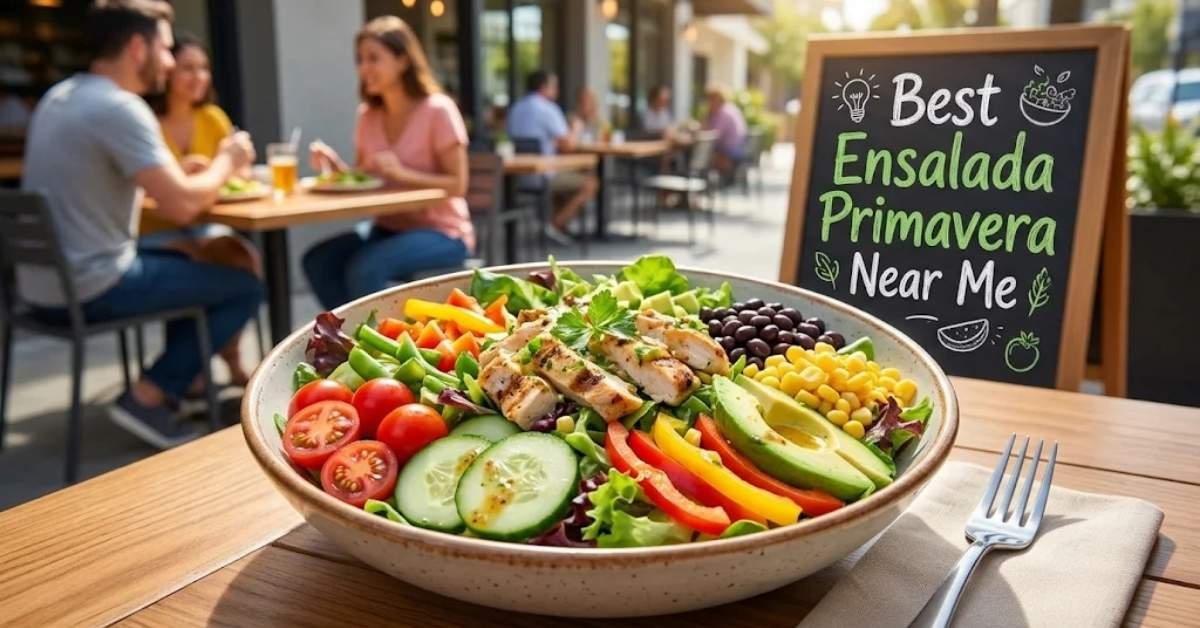

You type “ensalada primavera near me” into your phone and get a list of restaurants. Then you realize something odd. One menu shows a plate of lettuce, tomato, and carrot. Another shows a creamy rice salad with peas and egg. A third shows grilled asparagus.All three call themselves ensalada primavera. So which one is the best?
This guide helps you answer that. You will learn what the dish really is, where the name comes from, and how to judge quality before you order. You will also get regional styles, health benefits, a simple home recipe, and practical ways to spot fresh ingredients.
The Origins of Ensalada Primavera: Uncovering the History
The name is easy to translate. Ensalada means salad. Primavera means spring. Together, the words describe a salad built around the first tender vegetables of the season.
Here is the part most websites skip: no reliable historical record credits one chef, restaurant, or country with inventing it. Argentine food media has noted this directly, explaining that the salad is better seen as a family of recipes tied to the return of fresh garden produce.
Some blogs claim it started in Mexico in the early 20th century. That claim is not backed by solid sources, so treat it with caution.
What we can say with confidence:
- The idea of a spring salad is very old. Cooks across Europe and the Mediterranean have long celebrated the first greens, peas, and young vegetables after winter.
- Spanish and Latin American kitchens adopted the concept and adapted it to local produce.
- The name stayed flexible. It describes a mood and a season, not a strict list of ingredients.
This is also why “primavera” shows up elsewhere in cooking. Pasta primavera in Italian-American cuisine follows the same idea: lots of spring vegetables, light seasoning, and fresh color.
The Best Ensalada Primavera Near Me: Factors to Consider
Because the dish has no strict recipe, quality depends on details. Use this checklist when you compare restaurants.
1. Freshness of the vegetables
Leaves should look crisp, not wilted. Tomatoes should be firm and fragrant. Peas and carrots should taste bright, not soft or watery.
2. Seasoning
Salads are often under-seasoned. A good plate has salt, acid, and oil in balance. Lemon or vinegar should wake up the vegetables without drowning them.
3. Dressing style
A light vinaigrette suits a raw vegetable version. A creamy dressing suits a rice or potato version. Be wary if the salad arrives swimming in sauce.
4. Ingredient variety and color
The name promises spring. A good plate has several colors and textures, such as green leaves, red tomato, orange carrot, and sweet peas.
5. Protein options
Many menus add hard-boiled egg, grilled chicken, ham, tuna, or cheese. These make the dish a full meal. Check that the protein is a real addition, not filler.
6. Menu transparency
Look for menus that list ingredients. Vague descriptions often mean a generic plate.
7. Reviews that mention freshness
When you scan online reviews, search for words like “fresh,” “crisp,” and “seasonal.” Ignore reviews that only mention service or price.
Where to search:
- Latin American restaurants and Spanish tapas bars
- Argentinian, Peruvian, and Colombian eateries
- Mediterranean cafes
- Farmers market food stalls
- Delivery platforms with an “ensalada” category
Try searching with different terms too, such as “spring salad,” “ensalada mixta,” or “ensalada de arroz primavera.” Many restaurants use different names for similar plates.
Health Benefits of Ensalada Primavera
A well-made spring salad is a smart choice for everyday eating. The benefits come from the ingredients, so they vary by recipe.
Key Benefits
- Rich in vitamins and minerals. Carrots provide beta-carotene, tomatoes provide vitamin C and lycopene, and leafy greens add folate and vitamin K.
- High in fiber. Raw vegetables and peas support digestion and help you feel full.
- Low in calories. A simple vegetable base with vinaigrette is light. Calories rise when you add creamy dressings, mayonnaise, or fried toppings.
- Hydrating. Cucumber, tomato, and lettuce have high water content.
- Plant protein options. Peas, chickpeas, and eggs can turn a side salad into a balanced meal.
- Heart-friendly fats. Olive oil dressing provides monounsaturated fat, which is linked to better heart health in a balanced diet.
What to Watch For
Not every version is equally light. Rice-based and mayonnaise-based styles can be heavy. If you want the healthiest option:
- Ask for the dressing on the side.
- Choose olive oil and lemon over creamy sauces.
- Add lean protein like egg or grilled chicken.
- Skip fried toppings.
Note: This section is general nutrition information. If you manage a medical condition or food allergy, ask a registered dietitian or doctor for advice.
The Best Ensalada Primavera Near Me: Regional Variations
Because the name is flexible, each region has its own take. Knowing the styles helps you order what you actually want.
Common Regional Styles
| Region | Typical Style | Common Ingredients |
| Spain | Light mixed vegetable salad with vinaigrette | Lettuce, tomato, onion, olives, tuna |
| Argentina | Fresh spring vegetables, often with egg | Asparagus, tomato, hard-boiled egg, peas |
| Paraguay and neighboring countries | Rice-based spring salad | Long-grain rice, boiled egg, peas, carrot |
| Mexico and Central America | Bright vegetable salad with lime | Lettuce, tomato, cucumber, avocado, corn |
| Peru and Colombia | Fresh vegetable salad with citrus | Tomato, onion, carrot, corn, lime |
| U.S. Latin restaurants | Large house salad, sometimes with protein | Mixed greens, tomato, carrot, chicken |
How the Styles Differ
- Raw vegetable style: Crisp, light, and tangy. Best as a side or starter.
- Rice salad style: Cooler, softer, and more filling. Popular for picnics and gatherings.
- Egg and asparagus style: Tender and mild. Common when asparagus is in season.
- Protein-topped style: A full meal with chicken, tuna, or ham.
How to Order the Style You Want
Ask your server one simple question: “Is it raw vegetables or a rice or potato salad?” That one line prevents most disappointment.
How to Make the Best Ensalada Primavera at Home
Making it yourself is the easiest way to guarantee freshness. This recipe serves 4 and takes about 20 minutes.
Ingredients
- 4 cups mixed lettuce or tender greens
- 2 ripe tomatoes, cut into wedges
- 1 medium carrot, grated or cut into thin ribbons
- 1 cup fresh or thawed peas
- 1 cup corn kernels
- 1/2 cucumber, sliced
- 1/4 red onion, thinly sliced
- 2 hard-boiled eggs, quartered
- Fresh parsley or cilantro, chopped
For the vinaigrette:
- 3 tablespoons extra virgin olive oil
- 1 tablespoon lemon juice or white wine vinegar
- 1/2 teaspoon Dijon mustard (optional)
- Salt and black pepper to taste
Instructions
- Wash and dry the greens. Use a salad spinner or clean towel. Wet leaves repel dressing.
- Prep the vegetables. Cut them into similar sizes so each bite has variety.
- Soak the onion. Place sliced onion in cold water for 5 minutes. This softens the sharp bite.
- Blanch the peas. If using fresh peas, boil for 1 to 2 minutes, then cool in ice water.
- Whisk the vinaigrette. Combine oil, lemon juice, mustard, salt, and pepper.
- Season the vegetables lightly. Add a pinch of salt directly to tomatoes and cucumber.
- Toss gently. Dress the salad just before serving.
- Top and serve. Add eggs and fresh herbs.
Pro Tips
- Chill your plates for a crisper finish.
- Add avocado or olives for richness.
- For a rice version, add 2 cups of cooled cooked rice and a spoonful of mayonnaise or yogurt.
- Store dressing and vegetables separately. Leftovers stay fresh for up to 2 days.
The Best Ensalada Primavera Near Me: Tips for Finding the Freshest Ingredients
Great salad depends on great produce. These tips apply whether you cook at home or choose a restaurant.
At the Market or Grocery Store
- Shop in season. Spring brings tender peas, asparagus, young carrots, radishes, and soft lettuces.
- Visit farmers markets. Produce is often picked within a day or two of sale.
- Check the leaves. Look for bright color, firm stems, and no slimy edges.
- Smell the tomatoes. A sweet, earthy aroma at the stem usually signals ripeness.
- Choose firm carrots and cucumbers. Bendy or soft ones are past their best.
- Ask the seller. Local growers love to share what arrived this morning.
At a Restaurant
- Ask what is seasonal today.
- Notice if the menu changes often. Frequent changes suggest fresh purchasing.
- Look at the salad as it passes by. Crisp leaves and bright colors are good signs.
- Avoid places where salad sits pre-dressed under a heat lamp.
Storage Tips for Home Cooks
- Wrap leafy greens in a paper towel inside a sealed container.
- Keep tomatoes at room temperature until fully ripe.
- Store herbs upright in a glass of water.
- Wash produce just before using, not before storing.
Conclusion
The best ensalada primavera is not about a famous recipe. It is about fresh vegetables,balanced seasoning, and a style that matches your mood.When you search for ensalada primavera near me, look beyond the name. Check how fresh the ingredients seem, read reviews for freshness, and ask whether the dish is raw, rice-based, or protein-topped.
If you cannot find a great plate nearby, the home recipe above takes only 20 minutes.Start with seasonal produce, keep the dressing light, and let the vegetables lead. That is the real spirit of a spring salad.
FAQs
What does ensalada primavera mean?
It means “spring salad” in Spanish. It refers to a fresh salad made with seasonal spring vegetables.
Is ensalada primavera healthy?
Yes, when made with fresh vegetables and a light vinaigrette. Creamy or mayonnaise-heavy versions have more calories.
What is usually in an ensalada primavera?
Common ingredients include lettuce, tomato, carrot, peas, corn, onion, and hard-boiled egg. Recipes vary by region.
Where did ensalada primavera come from?
No single origin is documented. It grew from the long tradition of celebrating spring produce in Spanish and Latin American cooking.
What is the difference between ensalada primavera and pasta primavera?
Ensalada primavera is a cold salad. Pasta primavera is a cooked pasta dish with spring vegetables.
How do I find the best ensalada primavera near me?
Search Latin American and Mediterranean restaurants, read reviews that mention freshness, and check menus for ingredient details.
Can I make ensalada primavera ahead of time?
You can prep the vegetables and dressing ahead. Combine them just before serving to keep the salad crisp.
Is ensalada primavera vegetarian?
Most versions are vegetarian. Some include ham, tuna, or chicken, so check the menu.
What dressing goes best with ensalada primavera?
A simple olive oil and lemon vinaigrette works best. Creamy dressings suit rice-based versions.
What is the best season for ensalada primavera?
Spring is ideal, when peas, asparagus, and tender greens are at their peak. It also works year-round with good produce.