
You’re scrolling through your messages when someone texts, “I fw you” or “I don’t fw that.” Suddenly, two tiny letters leave you wondering: Is this a compliment, an insult, or something completely different? Welcome to the confusing world of Gen Z slang.
The fw full form in chat can mean different things depending on the situation. It may mean “F*** With” when someone likes or supports something. In email chains, it usually means “Forward.” In certain conversations, it can even sound negative or confrontational. Context changes everything. This guide breaks down every meaning of FW with simple examples, real conversations, and clear explanations. You’ll also learn whether FW sounds flirty, rude, or friendly and discover the best ways to respond without feeling confused.
What Does “FW Meaning in Text” Mean in Text?
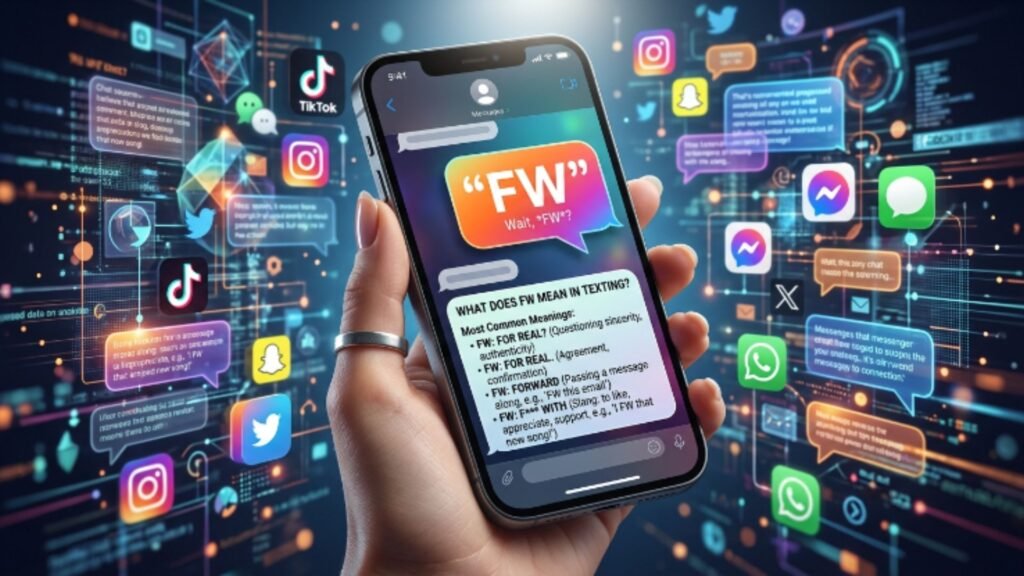
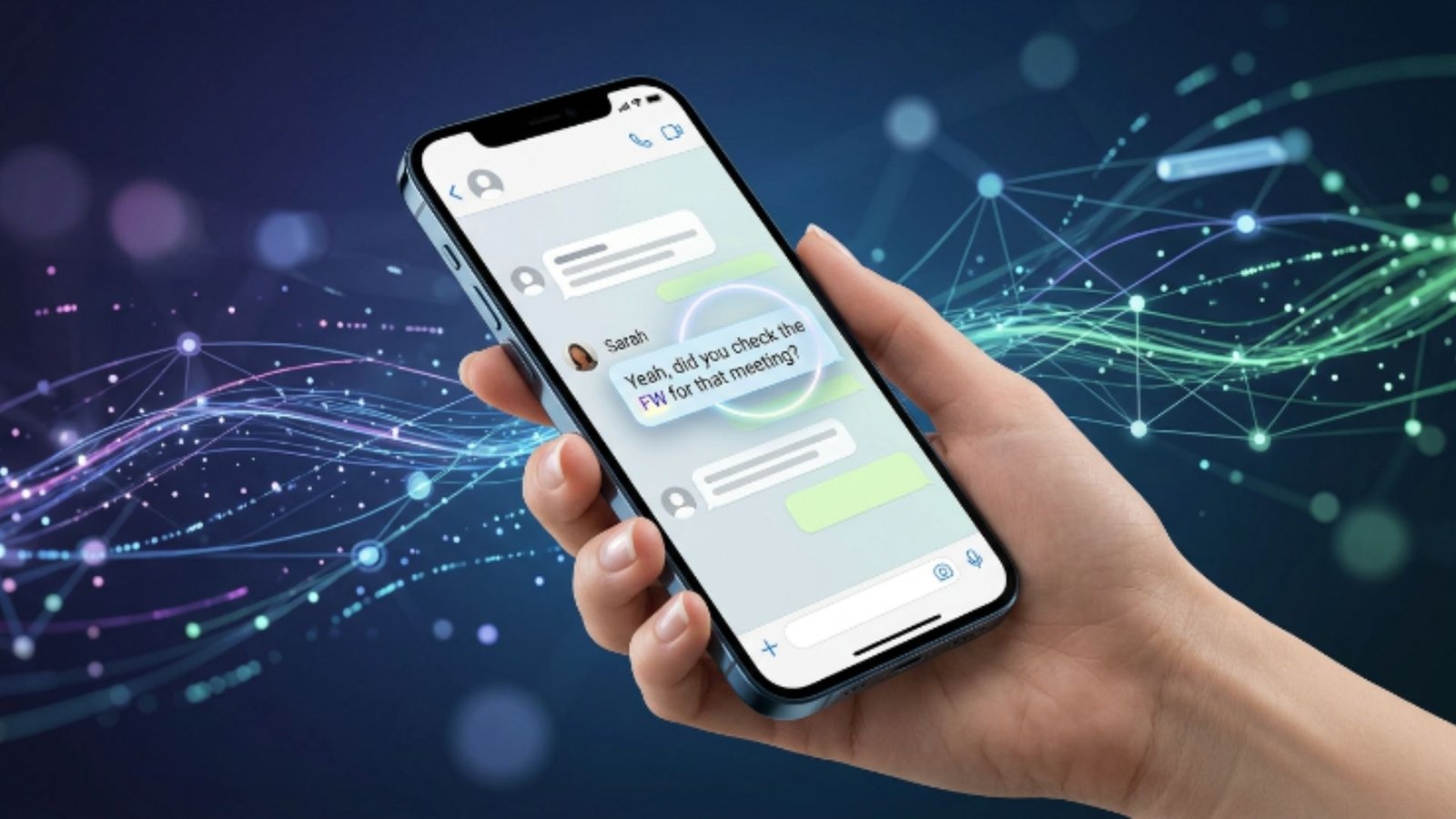
The fw meaning in text usually depends on the sentence and the relationship between two people. In modern texting, FW most often means “F* With.”** It usually shows that someone likes, supports, or connects with a person or thing.
The fw full form in chat can also mean Forward, especially in email chains and business messages. Context is the key to correct slang interpretation.
For example:
- “I fw this song” means “I like this song.”
- “I fw you” means “I like or support you.”
- “I don’t fw him” means “I don’t like him.”
- “FW: Meeting Details” means a forwarded email.
Gen Z slang changes quickly. Tone, emojis, and the surrounding conversation often reveal what FW really means.
The Most Common Meanings of “FW Meaning in Text”
FW has several meanings in text messaging, social media language, and professional communication. However, the slang meaning is far more common among Gen Z users on Instagram, Snapchat, TikTok, and online chat platforms.
Understanding the fw full form in chat becomes easier when you look at the entire sentence. A positive message may show approval or support. A negative sentence may show dislike or disapproval.
The most common meanings include:
- F* With** – liking or supporting someone.
- Forward – sending a message to another person.
- Negative usage – not liking or trusting someone.
- Vibe or interest – connecting with something.
Each meaning carries a different tone, so context matters more than the abbreviation itself.
1. FW = “F*** With” (Most Common Meaning)
The most common fw full form in chat is “F* With.”** In Gen Z slang, people use it to show approval, support, or interest. It often means you like someone’s personality, music, style, or ideas.
You might see FW in texting apps, DMs, comments, or casual conversation.
Examples:
- “I fw your music.”
- “I really fw that idea.”
- “She fw him heavy.”
- “Bro, I fw your style.”
In simple words, FW often means:
- I like it.
- I support it.
- I relate to it.
- I vibe with it.
The phrase sounds casual and informal. Avoid using it during professional communication because the original full phrase can sound inappropriate.
2. FW = “Forward”
FW can also mean Forward, especially in email chains and business messages. This meaning has nothing to do with Gen Z slang or social media language.
You will often see “FW:” in an email subject line. It tells you that someone forwarded the original message.
Examples:
- “FW: Project Update”
- “Please fw this message to the team.”
- “Can you forward the report?”
This is the professional meaning of FW. Context makes the difference clear.
For example, “I fw this song” obviously does not mean forwarding. However, “FW: Meeting Schedule” clearly refers to a forwarded message.
When discussing the fw full form in chat, remember that email and business communication often use a completely different meaning.
3. FW = Negative / “Don’t Like”
FW can also express disapproval or dislike. Usually, this happens when someone adds words like “don’t” before the abbreviation.
For example:
- “I don’t fw him.”
- “We don’t fw that group.”
- “She doesn’t fw drama.”
These sentences usually mean:
- I don’t like them.
- I don’t trust them.
- I don’t associate with them.
- I want nothing to do with them.
Tone plays a huge role here. The phrase may sound casual between friends, but it can also feel cold or hostile.
Relationship dynamics matter too. Someone joking with a friend may use FW differently than someone arguing in a serious conversation.
Always check the linguistic context before assuming the message means something positive.
4. FW = General Vibe / Interest
Sometimes FW simply describes a person’s interest or connection with something. It doesn’t always mean deep approval or friendship. Instead, it can mean, “This matches my vibe.”
You may see this usage in social media captions, comments, TikTok posts, and online chat.
Examples:
- “I fw this vibe.”
- “I fw that aesthetic.”
- “Do you fw this outfit?”
- “I fw your energy.”
In these situations, FW means someone enjoys or connects with something.
It often expresses:
- Personal taste.
- Interest.
- Approval.
- Connection.
- Shared energy.
This relaxed meaning makes FW popular among Gen Z users. It helps people express opinions quickly without writing long messages.
How “FW Meaning in Text” Is Used in Real Conversations
The fw meaning in text changes slightly depending on where and how people communicate. Friends may use it casually, while someone on a dating app might use it to show interest.
Social media platforms also influence slang interpretation. Instagram comments, Snapchat messages, and TikTok captions often use shorter language because people want to communicate quickly.
Here are common places where you might see FW:
- Text messaging between friends.
- Instagram DMs and comments.
- Snapchat conversations.
- TikTok comments and captions.
- Dating apps.
- Gaming and online communities.
- Casual group chats.
The speaker relationship and tone in texting matter. A simple emoji can even change how the message feels.
Friends & Casual Texting
Friends often use FW during casual conversation to show support or agreement. The abbreviation feels relaxed and natural among people who already understand Gen Z slang.
Examples:
Friend 1: “I started listening to this artist.”
Friend 2: “Yeah, I fw their music.”
Another example:
Friend 1: “What do you think about my new shoes?”
Friend 2: “Not gonna lie, I fw them.”
FW can mean:
- I like that.
- I’m cool with that.
- I support you.
- That matches my vibe.
Friends may also use related slang like FR, bet, no cap, lowkey, highkey, sus, lit, slay, based, and drip.
However, non-native English speakers and older users may not always recognize these abbreviations.
Instagram & Snapchat
Instagram and Snapchat users frequently use FW in DMs, comments, captions, and replies. Social media language moves quickly, so short expressions like FW save time while adding personality.
Examples:
Instagram comment:
“I fw this outfit 🔥”
Snapchat message:
“You fw this new filter?”
Instagram DM:
“Lowkey, I fw your vibe.”
On these platforms, FW often shows approval or interest. Emojis can make the tone friendlier or more playful.
Common uses include:
- Commenting on someone’s style.
- Replying to a story.
- Captioning photos.
- Starting casual conversations.
- Showing support for content.
You may also see slang like FYP (for you page) on TikTok. While FYP and FW are different, both belong to modern social media language.
Dating Apps
On dating apps, FW can sometimes suggest flirting or romantic interest. However, it doesn’t automatically mean someone wants a serious relationship.
For example:
Person 1: “You seem funny. I fw your vibe.”
Person 2: “Haha, I fw yours too.”
This may show:
- Attraction.
- Curiosity.
- Friendly interest.
- Romantic interest.
- Comfort with someone’s personality.
The conversation context matters. “I fw you” can sound friendly among friends, while the same phrase may feel flirty in dating apps.
Don’t confuse FW with FWB, which means friends with benefits. They have very different meanings.
When responding, read the tone carefully. A casual reply might simply say:
- “I fw you too.”
- “Bet, same.”
- “No cap, you’re cool.”
- “Glad you like my vibe.”
Gaming & Online Communities
Gamers often use FW in gaming chats and online communities to share quick opinions. The fw full form in chat usually means “F*** With” in these casual spaces.
Players may use it when discussing games, characters, strategies, or other gamers.
Examples:
- “I fw this new game mode.”
- “I don’t fw campers.”
- “I fw his gameplay style.”
- “That update is actually lit.”
Conversation example:
Player 1: “Have you tried the new character?”
Player 2: “Yeah, I fw the abilities.”
In gaming communities, people often mix FW with words like sus, bet, FR, no cap, and based. The language moves quickly, so abbreviations help players react without typing long messages.
However, tone still matters during competitive games.
Work or Professional Chat
In work conversations, FW usually means Forward rather than the slang meaning. This usage appears in email chains, business messages, and professional communication.
The fw full form in chat should always match the setting. Using “F*** With” slang at work may confuse colleagues or sound unprofessional.
Examples:
- “FW: Client Meeting Notes”
- “Please forward this email to the manager.”
- “Can you fw the document to HR?”
Conversation example:
Manager: “Did you send the report?”
Employee: “Yes, I forwarded it this morning.”
Although some workplaces use casual messaging, clear language works better. Instead of typing “fw,” write “forward” when confusion is possible.
Professional communication should focus on clarity, especially when messaging clients, managers, or unfamiliar coworkers.
Is “FW Meaning in Text” Rude, Flirty, or Offensive?
The fw meaning in text isn’t automatically rude, flirty, or offensive. Its meaning changes based on the sentence, tone, relationship, and platform.
For example, “I fw your music” sounds positive. Meanwhile, “Don’t fw with me” sounds aggressive.
The same abbreviation can carry completely different emotions.
Things that affect interpretation include:
- The relationship between speakers.
- Previous messages.
- Emojis and punctuation.
- The platform being used.
- Whether the conversation feels casual or serious.
Understanding the fw full form in chat requires more than translating two letters. You need to read the room.
A message on Snapchat may sound playful, while the same words in a tense text conversation could sound hostile.
Positive Tone
In a positive context, FW usually shows approval, support, or genuine interest. It works like saying, “I like that” or “I’m cool with that.”
Examples include:
- “I fw your style.”
- “I really fw this song.”
- “I fw your energy.”
- “Yeah, I fw that idea.”
Conversation example:
Friend 1: “I made this playlist yesterday.”
Friend 2: “No cap, I fw it.”
The tone here feels friendly and supportive. People often use FW when complimenting someone’s music, fashion, personality, or creativity.
Emojis can strengthen the positive meaning:
“I fw this 🔥”
This usually signals strong approval. Among friends and Gen Z users, the phrase often feels casual rather than offensive.
Flirty Tone
FW can sound flirty when someone uses it during a romantic conversation. Still, the fw full form in chat doesn’t automatically mean attraction.
For example, “I fw your vibe” may simply mean someone likes your personality.
However, flirting becomes more likely when romantic interest already exists.
Examples:
- “Honestly, I fw you.”
- “I fw your whole vibe.”
- “I didn’t expect to fw you this much.”
Conversation example:
Person 1: “You seem different from everyone here.”
Person 2: “Is that good?”
Person 1: “Yeah, I fw your vibe.”
On dating apps, this can suggest attraction. Between close friends, it may only show appreciation. Context and relationship dynamics reveal the real intention.
Negative Tone
FW becomes negative when someone says they don’t FW with a person or thing. This usually expresses dislike, distrust, or disapproval.
Examples:
- “I don’t fw him.”
- “We don’t fw drama.”
- “I don’t fw fake people.”
- “She doesn’t fw that group.”
Conversation example:
Friend 1: “Are you still talking to him?”
Friend 2: “Nah, I don’t fw him anymore.”
The meaning may range from mild dislike to serious rejection. Tone matters a lot.
Another phrase, “Don’t fw with me,” can sound like a warning. It may mean “Don’t mess with me.”
Because of this, avoid using FW during arguments unless you understand how your message might sound.
Key Psychology
People don’t interpret slang in isolation. They use context clues to understand the speaker’s intention.
The brain naturally considers several things before deciding what a message means.
These include:
- Your relationship with the sender.
- Previous conversation history.
- The sender’s personality.
- Emojis or GIFs.
- The platform used.
- The overall tone in texting.
For example, a friend saying “I fw you 😂” feels different from someone on a dating app saying “I fw you ❤️.”
This is why slang interpretation can become tricky for older users and non-native English speakers. Text messaging lacks facial expressions and voice tone.
When in doubt, ask what the person means instead of jumping to conclusions.
How to Respond When Someone Says “FW Meaning in Text”
Your reply depends on how the sender uses FW. First, understand the fw full form in chat based on the conversation.
If someone says, “I fw you,” you can respond warmly. If they use FW to mean Forward, a professional reply makes more sense.
Don’t overthink every message. Match the energy and tone when possible.
For example:
- Friendly message → Casual reply.
- Joke → Funny response.
- Unclear statement → Neutral response.
- Business email → Professional response.
You can also use related Gen Z slang if the conversation feels natural. Words like bet, FR, lowkey, and no cap may fit casual chats.
The best response usually sounds like something you would genuinely say.
Casual Replies
Casual replies work best when friends use FW to show support or approval. You can simply match their relaxed energy.
Examples:
- “I fw you too.”
- “Bet, same here.”
- “That’s real.”
- “Glad you like it.”
- “FR, I knew you’d get it.”
Conversation example:
Friend 1: “I fw your new haircut.”
Friend 2: “Thanks, I was hoping you’d like it.”
You don’t need a complicated response. Sometimes a simple emoji or short message works perfectly.
Try:
- “Appreciate you 🙌”
- “Haha, thanks.”
- “You know the vibe.”
- “No cap, that means a lot.”
Casual texting should feel natural. Don’t force slang into every sentence if it doesn’t match your normal communication style.
Funny Replies
A funny reply can keep the conversation playful when someone says they FW with you or something you shared.
You can joke without taking the message too seriously.
Examples:
- “Of course you fw me. I’m unforgettable.”
- “Welcome to the fan club.”
- “Took you long enough.”
- “I knew my vibe would win you over.”
- “Finally, someone with good taste.”
Conversation example:
Friend 1: “Okay, I fw this song.”
Friend 2: “Congratulations. Your music taste is improving.”
Funny replies work especially well between close friends. However, sarcasm can get lost in text messaging.
Add an emoji if needed:
“Took you long enough 😂”
That small detail can make your joke clearer and prevent unnecessary misunderstandings.
Neutral Replies
Sometimes you may not want to match slang or reveal too much emotion. Neutral replies keep the conversation moving without sounding cold.
Examples:
- “Got it.”
- “Makes sense.”
- “I understand.”
- “Fair enough.”
- “Okay, cool.”
Conversation example:
Person 1: “I don’t really fw that idea.”
Person 2: “Fair enough. What would you suggest instead?”
Neutral replies work well when:
- You don’t know the person well.
- The meaning feels unclear.
- You want to avoid slang.
- The topic is serious.
You can also ask for clarification:
“What do you mean by that?”
This is useful when the fw full form in chat seems ambiguous. Clear communication beats guessing every time.
Professional Replies (Forward Meaning)
In professional communication, FW usually refers to forwarding messages. Your response should stay clear and direct.
Avoid slang interpretations in business messages.
Useful replies include:
- “Forwarding it now.”
- “I’ve sent the message.”
- “The email has been forwarded.”
- “I’ll forward the document shortly.”
- “Done. Please check your inbox.”
Conversation example:
Manager: “Can you forward the client email?”
Employee: “Sure. I’ll forward it now.”
Email chains often use “FW:” in subject lines. This tells recipients that the message came from another sender.
For business messages, spelling out “forward” can prevent confusion. It also sounds more professional and works better with clients, older users, and international teams.
Common Misunderstandings About “FW Meaning in Text”
FW looks simple, but those two letters can cause plenty of confusion. The fw full form in chat depends heavily on context.
Someone familiar with email may think FW always means Forward. A Gen Z user might immediately think of “F*** With.”
Misunderstandings often happen because people:
- Come from different age groups.
- Use different platforms.
- Speak different native languages.
- Have different experiences with slang.
- Read tone differently.
The best way to understand FW is to look at the complete message.
Don’t focus only on the abbreviation. Look at the sentence, sender, and conversation around it.
1. Thinking It Only Means “Forward”
One common mistake involves assuming FW always means Forward. While this is correct in email chains, it isn’t usually the main meaning in casual texting.
Compare these examples:
- “FW: Project Update” = Forward.
- “I fw this song” = I like this song.
- “Do you fw him?” = Do you like him?
The platform gives you an important clue. Business messages usually use FW as Forward.
Meanwhile, Instagram, Snapchat, TikTok, and texting apps often use the slang meaning.
This difference matters for proper slang interpretation. Reading “I fw your style” as “I forward your style” obviously makes no sense.
Always read the entire sentence before deciding what FW means.
2. Thinking It Is Always Positive
FW often shows approval, but it isn’t always positive. Adding one small word can completely change the meaning.
For example:
- “I fw her” = I like her.
- “I don’t fw her” = I don’t like her.
- “Don’t fw with me” = Don’t mess with me.
The negative version may express:
- Disapproval.
- Dislike.
- Distrust.
- Anger.
- Rejection.
Conversation example:
Person 1: “Do you still talk to Jake?”
Person 2: “No, I don’t fw him anymore.”
This is clearly negative. The surrounding words matter more than the abbreviation alone.
Never assume FW means something friendly without checking the complete context.
3. Confusing Tone in Text
Text messaging removes facial expressions, body language, and vocal tone. Because of this, even simple slang can become confusing.
Consider these messages:
“I fw you.”
“I fw you 😂”
“I fw you ❤️”
Each message may feel different.
Emojis help people understand tone, but they don’t always remove ambiguity. The relationship between speakers also matters.
A message from a close friend may feel supportive. The same message from someone on dating apps could suggest flirting or romantic interest.
When tone remains unclear, don’t build a whole story around two letters. Ask a simple question or wait for more context.
Good texting etiquette often means giving people the benefit of the doubt.
4. Mixing It With Other Slang
FW can easily get confused with similar abbreviations. The most common example is FWB, which means friends with benefits.
These terms are not interchangeable.
| Term | Meaning |
| FW | F*** With or Forward |
| FWB | Friends with benefits |
| FR | For real |
| FYP | For You Page |
Other related Gen Z slang includes:
- Cap – A lie.
- No cap – The truth.
- Lowkey – Quietly or slightly.
- Highkey – Openly or strongly.
- Sus – Suspicious.
- Bet – Okay or agreed.
Understanding each abbreviation separately helps you avoid awkward replies and misunderstandings.
Similar Slang Terms You Should Know
If you understand FW, learning a few related terms can make online chat easier. Gen Z slang changes fast, especially across TikTok, Snapchat, Instagram, and gaming communities.
Here are some popular terms:
- FWB – Friends with benefits.
- FR – For real.
- FYP – For You Page.
- Vibe – A feeling or atmosphere.
- Bet – Agreement or confirmation.
- Cap – A lie.
- No cap – Honestly or truthfully.
- Lowkey – Slightly or secretly.
- Highkey – Openly or strongly.
- Sus – Suspicious.
- Lit – Exciting or fun.
- Slay – Do something exceptionally well.
- Based – Boldly authentic or approved.
- Drip – Stylish clothing or appearance.
Learning these terms helps you understand modern social media language without feeling lost.
When You Should Avoid Using “FW Meaning in Text”
FW works well in casual conversation, but it doesn’t belong everywhere. The fw full form in chat may confuse people who don’t understand slang.
Because FW can contain a vulgar meaning, consider your audience before using it.
Avoid the abbreviation when:
- The conversation is formal.
- You don’t know the person well.
- The topic is sensitive.
- Clear communication matters.
- Cultural differences may create confusion.
Slang should make communication easier, not harder.
If someone might misunderstand your message, use plain language instead. Saying “I like this idea” takes only a few extra seconds and leaves little room for confusion.
Professional Settings
Avoid slang like FW in formal workplaces unless you clearly mean Forward. Professional communication works best when everyone understands the message immediately.
Don’t write:
“I fw this proposal.”
Instead, write:
“I like this proposal.”
Or:
“I support this proposal.”
FW slang may sound too casual around:
- Clients.
- Managers.
- Teachers.
- Job recruiters.
- Business partners.
Email chains can use “FW:” to show forwarding. However, writing the complete word often looks clearer in business messages.
Good workplace communication doesn’t need to sound stiff. It simply needs to be easy to understand and appropriate for the audience.
Cross-Cultural Chats
Cross-cultural communication can make slang difficult. Non-native English speakers may understand the individual words but miss the actual meaning.
Older users may also interpret FW differently.
For example, someone unfamiliar with Gen Z slang might think:
“I fw you.”
means something offensive or confusing.
To avoid misunderstandings:
- Use clear language.
- Avoid unexplained abbreviations.
- Consider language barriers.
- Don’t assume everyone knows current slang.
Texting apps connect people worldwide, but not everyone shares the same social media language.
When communicating with international friends or coworkers, simple words often work best. You can still sound friendly without relying on abbreviations that need translation or cultural explanation.
Sensitive Situations
Avoid FW when discussing serious emotional issues, arguments, or sensitive topics. Slang can make an important message sound dismissive or aggressive.
For example, saying:
“I don’t fw your feelings.”
could sound unnecessarily harsh.
Sensitive conversations need clarity and empathy. Choose direct words that accurately explain what you mean.
Avoid FW during discussions about:
- Relationship problems.
- Family conflicts.
- Serious disagreements.
- Emotional struggles.
- Workplace disputes.
Texting etiquette matters most when emotions run high. A short slang phrase can easily be misunderstood and make a difficult situation worse.
When the stakes are high, put the slang aside and say exactly what you mean.
Final Thoughts
FW may look like a simple two-letter abbreviation, but its meaning can change quickly. In casual texting, it often means liking, supporting, or connecting with someone. In emails, it usually means Forward. The fw full form in chat depends heavily on the words around it and the tone of the conversation.
Now that you understand the fw full form in chat, confusing messages should feel much easier to read. Whether someone says “I fw you,” “I don’t fw that,” or sends an FW email, context reveals the real meaning. Pay attention to the platform, relationship, and tone. The fw full form in chat can sound friendly, flirty, negative, or professional. When you’re unsure, simply ask for clarification. Language keeps changing, especially online. Still, understanding the fw full form in chat helps you text, reply, and communicate with more confidence.
FAQs
What does fw mean in texting?
FW usually means F*** With, showing liking, support, or interest. The fw full form in chat depends on context.
Is fw a bad word?
FW can reference a swear word, but users often use it casually. Its tone depends on the conversation.
Does fw mean forward?
Yes, FW can mean Forward in email chains and business messages. Context helps identify the correct meaning.
Is fw flirty?
FW can sound flirty when showing romantic interest. However, it can also simply express friendship, support, or approval.
What does I don’t fw you mean?
It means I do not like, trust, or associate with you. The phrase usually expresses strong disapproval.
Where is fw mostly used?
FW is common on Instagram, Snapchat, TikTok, texting apps, DMs, gaming chats, and other online communities.
Can fw be used in school or work?
Avoid slang FW in formal school or work communication. The fw full form in chat may confuse others.